

Finding out your home has termites can feel overwhelming, especially if you’re planning on selling your house. We totally understand the stress that comes with finding termite damage and wondering about the unknown of how it will impact your home sale. The good news in all of this is that selling a house with termite history in Florida is definitely possible, and you have more available options than you might think. So if you’re considering repairs or exploring how we buy houses in FL as-is, this guide will walk you through all the ins and outs of what you need to know to make the best decision for your situation and family.
Living up to its name, the Sunshine State, Florida, is warm and humid, making it a paradise for homeowners and, unfortunately, for pesky termites too. But don’t stress out about your selling plans because of a termite infestation or history. We will show you how to navigate disclosures, understand your repair options, and connect with the right buyer who won’t walk away from buying your property.
When selling a house with termite history, transparency isn’t just doing the right thing—it’s legally required in Florida. Did you know that termites are one of the most common deal breakers in real estate transactions? That’s because they signal potential structural damage and possible costly repairs.
A house with a termite history raises legitimate buyer concerns, which is understandable. Even if you’ve treated a termite infestation years ago, potential buyers will likely still have questions like: Is the damage repaired? Could termites return? What’s hiding behind the walls? These questions can definitely impact your home value and how many buyers will seriously consider your property.
The real estate industry treats termite issues pretty seriously. The reason is that subterranean termites, the most common type in Florida, can harm a home’s foundation and wooden structures over time. Specifically in cities like Tampa, Orlando, Jacksonville, and Miami, termite activity is so prevalent that most experienced real estate agents automatically factor termite inspections into every transaction.
On a positive note, past termite problems don’t instantly mean you can’t have a successful sale. But what does matter most is how you handle things like the disclosure, documentation, and how you’ll advertise your home on the market.
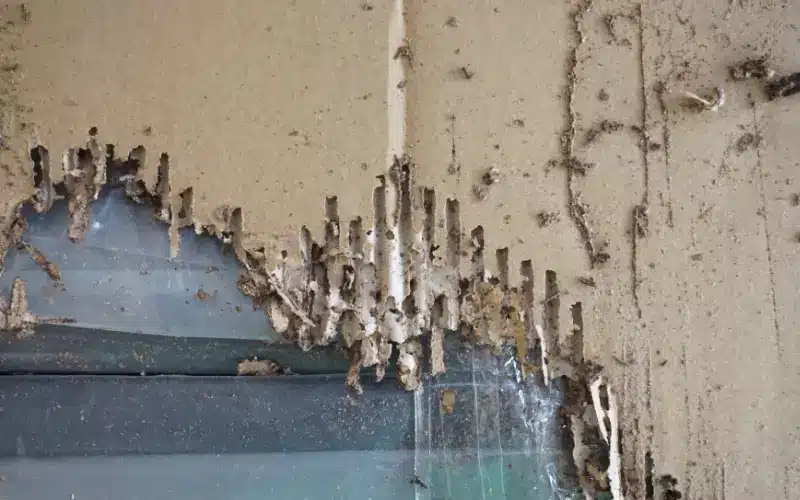
Something important you should know is that Florida law requires home sellers to disclose known termite damage and previous termite treatment. And no, this isn’t optional—failure to disclose can lead to potential lawsuits after closing. You must complete the seller’s property disclosure statement honestly, sharing any history of termite activity, even if it feels like ancient history and was treated/repaired years ago.
A Wood Destroying Organism (WDO) inspection is the foundation of any Florida real estate transaction involving termite history. A licensed pest inspector examines your entire property for signs of termites, carpenter ants, wood-boring beetles, and fungi that damage wood. The inspection covers crawl spaces, attics, basements, visible wooden structures, and areas where damaged wood is accessible.
The WDO report will document visible damage, signs of previous infestations (like mud tubes or termite droppings), and evidence of active termite problems. The pest inspector looks for hollow-sounding wood, bubbling paint, maze-like patterns in wood, and other telltale signs. The cost of a home inspection with a WDO report typically ranges from $75 to $150 in Florida, though prices vary by property size and location.
Just so you know, most lenders require a clear WDO report before approving a buyer’s mortgage, which means you’ll likely need to address any active infestation before closing a traditional sale. Ideally, getting your WDO inspection done early would be wise. Having that gives you control over the selling process and lets you make informed decisions before interested buyers start making demands.
Once you know the extent of termite damage, you face a critical decision: invest in repairs or sell your house as is. Both options have merit depending on your financial situation, timeline, and the severity of damage.
Termite damage repairs can be expensive. Minor repairs like replacing damaged wood in a small area might cost $500 to $3,000. However, extensive repairs involving structural damage or foundation work can easily reach $10,000 to $30,000 or more. Beyond repairs, termite treatment cost varies based on your home’s size and method. Liquid barrier treatments typically run $1,200 to $2,500 for an average home, while bait systems cost $800 to $3,000 initially, plus annual maintenance fees.
Many sellers obtain a termite bond (also called a termite warranty) to reassure buyers. This annual contract with a pest control company covers regular inspections and treatment if termites return. It can be a powerful bargaining chip when negotiating, as it transfers the infestation risk to the pest control company.
The alternative? Selling as is. You won’t spend money on termite damage repairs, treatment, or warranties. Instead, you accept a lower sale price that reflects the property’s condition. Cash buyers and investors actively seek as-is properties because they have the expertise and resources to handle necessary repairs themselves.
When considering fixes to do when selling, termite repairs often don’t provide a positive return on investment. You might spend $15,000 on repairs, but only recoup $8,000 to $10,000 in additional sale price. This is why understanding what not to fix when selling a house is crucial—sometimes accepting a lower price is more profitable than investing in repairs.
Pricing a house with termite issues requires honest assessment and strategic thinking. The traditional approach involves getting a comparative market analysis from real estate agents, then deducting estimated repair costs and a discount for the stigma of termite history. Expect to price 5% to 20% below comparable homes, depending on damage severity.
For properties with significant damage or severe infestations, you might need to price even more aggressively. Prospective buyers will factor in not just the actual repair costs but also the hassle, time, and uncertainty involved.
Your marketing strategy should be upfront about the termite history while emphasizing the positives. If you’ve had professional termite treatment and obtained inspection reports showing no current activity, highlight this. If you’re offering repair receipts, warranties, or a termite bond, make these selling points prominent.
However, the reality is that traditional buyers financing their purchase through conventional lenders face significant hurdles with termite-damaged homes. Lenders often refuse to close until repairs are complete and a new, clear WDO report is issued.
This is where cash home buyers in Tampa and throughout Florida become your best option. Cash buyers don’t require lender approval. They can close quickly without asking for expensive repairs. They make their offers knowing about the termite history and factor it into their price upfront—no surprises or last-minute renegotiations.
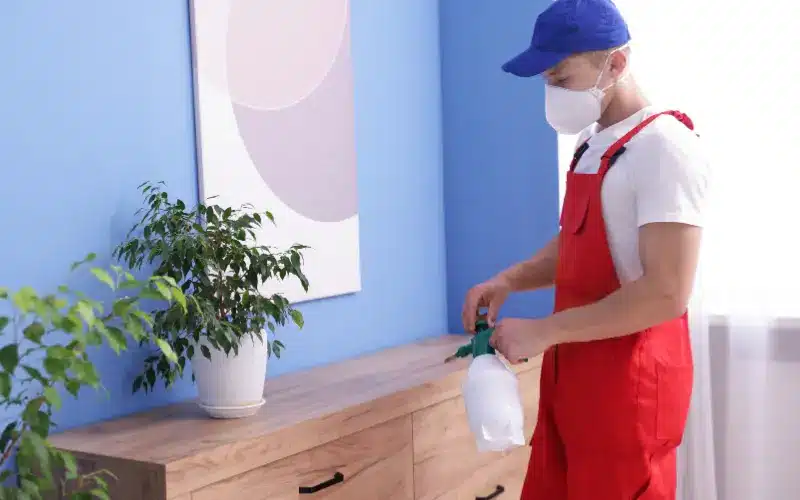
Before listing your house with termite history, get a complete professional inspection. Hire a licensed pest inspector to conduct a thorough WDO inspection covering the home’s foundation, wooden structures, crawl spaces, and anywhere termites might hide.
Document everything. Take photos of any visible damage, mud tubes (the tunnels subterranean termites build), termite droppings, and damaged areas. If you’ve had previous termite treatment, gather all documentation, including treatment dates, methods used, and warranties. Get the inspection report in writing—this becomes your baseline for all future discussions with buyers.
Florida requires full disclosure of known termite issues when selling a house. Complete your seller’s property disclosure form thoroughly and honestly. Specify when you discovered the termite infestation, what treatment you received, what repairs were made, and whether you have a current termite bond.
Provide copies of all documentation to potential buyers early in the process. This includes your WDO inspection report, treatment records, repair receipts, and any warranties. Remember that disclosure requirements extend beyond just current active infestations. When buyers discover termite issues during their own inspection that you didn’t disclose, they have legal grounds to walk away or potentially sue you after closing.
Calculate the total cost of treatment, repairs, and any preventative measures against future infestations. Compare this to the likely reduction in asking price if you sell your home as is without making repairs.
Consider your timeline, too. Termite treatment and repairs take time—often several weeks to several months. If you need to sell your house fast in Seminole, Tampa, or anywhere in Florida, completing repairs may not be practical.
For minor repairs and localized damage, treatment might make sense for a traditional sale. However, for extensive repairs involving structural damage or replacing damaged wood throughout the home, selling as-is often makes more financial sense. Companies that focus on as-is properties understand termite problems and can close quickly without you spending months and thousands on repairs.
Use your comparative market analysis along with your repair estimates to set a competitive price. Start by looking at what similar homes in your area have sold for recently. Then subtract your estimated repair costs and an additional 10% to 15% discount to account for the stigma of termite history.
If you’ve completed repairs and treatment, you can price closer to market value, though you should still expect some discount. A termite bond or transferable home warranty can help justify a higher price. Be prepared to adjust if your home sits on the market without offers. Pricing realistically from the start attracts serious buyers and investors who understand as-is properties.
The most efficient path to selling a house with termite damage is targeting buyers who specialize in these properties. While you can list with traditional real estate agents, this approach is slower and less certain.
Cash buyers and real estate investors actively seek properties with problems like termite damage. They view these issues as opportunities rather than obstacles. When you work with a cash buyer, you skip the headaches of traditional sales. You don’t wait for buyer financing approval or worry about deals falling apart when the lender sees the WDO report.
Cash offers typically come in below retail market value. However, when you factor in the costs you’re saving (agent commissions, repairs, holding costs, and the risk of deals falling through), cash offers often net you similar or even better proceeds than a traditional sale.
Expect negotiations to focus heavily on the termite history and condition. Even informed buyers will use the termite issues to justify lower offers or demand concessions. This is normal—don’t take it personally.
If you’ve completed treatment and have documentation showing no current activity, use this to justify your asking price. Annual termite inspections showing no new infestation provide powerful evidence that the problem is resolved. Preventative measures like ongoing bait systems or termite bonds help potential buyers feel confident they won’t inherit an active problem.
For structural damage, be prepared for significant negotiation. Buyers will likely get their own professional inspection and may discover issues your inspector missed. Factor this possibility into your pricing strategy from the beginning so you have room to negotiate.
Cash buyers typically negotiate differently from retail buyers. Their offers factor in repair costs upfront, so there’s usually less back-and-forth. The offer you receive is typically the offer they’re prepared to close at, which provides certainty and predictability.
Remember that drywood termites and subterranean termites are everywhere in Florida. Your home isn’t unique in having termite history—it’s extremely common. Frame the conversation around being proactive in addressing the issue rather than letting it fester undiscovered.
If closing day is right around the corner, it’s important to be organized so you’re not scrambling to find paperwork and documents. Below is a list of what you need to have ready:
Termite-Related Documentation:
Standard Closing Documents:
Keys and Access Information:
If you’ve been having regular inspections done or preventative treatment by a pest company, you will want to show records of that to the buyer. That way, it shows you’ve been a responsible owner and have been doing everything you can to continue to treat or check for termites. Those records will just add peace of mind for potential buyers and may help justify your selling price for the house.
At the end of the day, selling a house with termite history in Florida doesn’t have to be complicated or stressful. You now understand the disclosure requirements, your repair-versus-sell-as-is options, and how to price and market your property effectively. If you want to avoid the uncertainty of traditional sales, skip the hassle of coordinating repairs, and close quickly without worrying about financing falling through, contact us today. As experienced professionals who understand how we buy houses with termite damage and other issues, we can provide you with a fair cash offer within 24 hours. We’ve helped hundreds of Florida homeowners sell properties with termite history, structural damage, and other challenges that scare away traditional buyers.
Want to learn about our company and how we help Florida homeowners in situations just like yours? We’re transparent about our process, our offers are fair and based on current market conditions, and we never charge fees or commissions. The termite history that feels like a burden right now doesn’t have to delay your plans. Whether you’re relocating for work, dealing with financial challenges, settling an estate, or simply ready to move on, we’re here to provide a solution that works for you. Reach out today and discover how quickly and easily you can turn the page on this chapter—we buy houses in FL in any condition, and we’d love to help you achieve the fresh start you’re looking for.
