

Dealing with the loss of a parent is emotionally challenging, and handling their estate can add additional stress to an already difficult time. If you’re wondering “Can I sell my deceased parents’ house without probate,” you’re not alone. Many people find themselves searching for ways to streamline the process and avoid lengthy legal proceedings.
The complexities of estate management often leave families feeling overwhelmed and uncertain about their next steps, especially when trying to determine if probate is necessary for selling inherited property.
During these challenging times, professional assistance can make a significant difference in navigating the complexities of estate sales. As you explore various options for managing your parent’s property, it’s worth noting that we buy houses in Florida, providing families with straightforward solutions during these sensitive transitions and helping them understand exactly when probate is required and when it can be avoided.
Probate is the legal process through which a deceased person’s estate is properly distributed to heirs and designated beneficiaries while ensuring all debts are paid. When someone passes away, their assets, including real property, typically go through probate proceedings before they can be transferred or sold.
The probate process involves validating the will (if one exists), appointing an executor or personal representative, paying estate debts, and distributing assets according to state laws. This process can be particularly complex when dealing with real estate transactions, as multiple parties involved must agree on the property’s disposition.
Understanding probate law is crucial for anyone facing the responsibility of managing a deceased person’s assets.
The executor, also known as the person appointed to manage the deceased person’s estate, has significant responsibilities. They must act in the estate’s best interest, fulfill fiduciary duties, and handle various legal obligations. This includes maintaining the property, paying mortgage payments and other expenses, and working with an estate attorney to ensure all proceedings follow proper legal procedures.
The executor must also coordinate with real estate agents or property buyers, manage estate debts, and ensure fair market value is obtained for any property sales. Their role requires careful attention to detail and adherence to strict legal requirements throughout the probate proceedings.
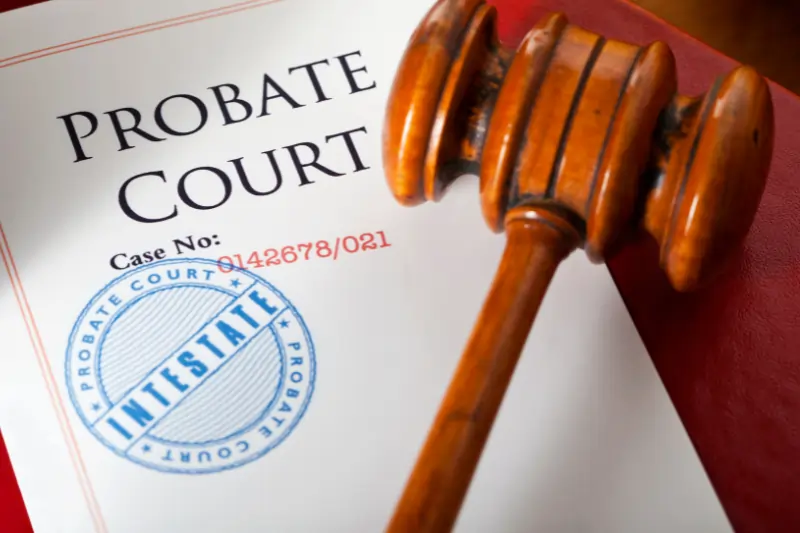
In certain circumstances, properties can transfer automatically to a surviving owner without going through probate. This typically occurs when the property is jointly owned with rights of survivorship. In such cases, the surviving owner needs only to provide a death certificate to establish their full ownership rights.
Cash home buyers in St Petersburg often work with surviving owners who inherit property this way and wish to sell quickly. This arrangement can significantly simplify the transfer ownership process and allow for a faster property sale, particularly when working with experienced buyers who understand these specific circumstances.
Another way to avoid probate is through a living trust. When parents transfer their property into a trust before passing away, the named executor can sell the property without going through probate court. This arrangement makes sense for many families who want to ensure a smoother transition of assets and minimize legal fees. A living trust can be particularly beneficial when there’s a reverse mortgage or other complex financial situations involved. The trust structure provides clear guidelines for distributing assets and handling property sales, making it easier for all interested parties to understand their rights and responsibilities.
Understanding whether probate is required depends on several factors, including how the property was titled and the specific circumstances of the estate. Some estates may qualify for simplified probate procedures if they meet certain requirements. The best time to sell a house often depends on whether probate is necessary and how quickly you can navigate the legal process.
For example, if your parents’ house was their primary asset and valued under $75,000, Florida law might allow for summary administration – a simplified probate process. However, if there are multiple heirs or the property has significant value, full probate proceedings may be necessary.
Consider this real-world scenario: A family in Tampa recently discovered their parents’ house was placed in a living trust, allowing them to skip probate entirely and work directly with our team at The Best Cash Home Buyer to complete the sale within weeks rather than months.
Before proceeding with any property sale, it’s crucial to be well-informed about local probate law and real estate regulations. Each state has different requirements for selling a deceased person’s house. Working with professionals who have probate experience can help ensure you meet all legal obligations.
For instance, in Florida, if you’re named as executor in the will, you’ll need to obtain Letters of Administration before you can sell the property. However, The Best Cash Home Buyer can begin evaluating your property and preparing an offer while you obtain the necessary documentation, ensuring no time is wasted once you’re legally authorized to sell.
How our home buying process works at The Best Cash Home Buyer is designed to specifically address inherited property situations. Here’s our streamlined process:
Selling without probate, when possible, can save significant time and money. Traditional probate proceedings can take a few months to several years and involve substantial legal fees. An arm’s length transaction with a cash buyer can often be completed more quickly, allowing heirs to receive their inheritance sooner.
Let’s look at a recent example: A family in Clearwater inherited their mother’s house, which had been placed in a living trust. By working with The Best Cash Home Buyer, they avoided the lengthy probate process and associated costs like court fees, attorney fees, and realtor commissions. Their sale closed quickly since the property was in a trust, unlike a typical probate sale which often takes 6-12 months to complete due to court proceedings and legal requirements.
However, it’s essential to understand the potential risks. Selling without proper authority could lead to legal complications and disputes among interested parties. Our team at TBCHB focuses on ensuring all sales are properly documented and legally sound. We maintain relationships with experienced probate attorneys who can review your situation and confirm whether probate is necessary.
Consider this cautionary tale: A seller in St. Petersburg attempted to sell their deceased parent’s house without consulting legal professionals, only to face a lawsuit from previously unknown heirs. Our team helps prevent such situations by conducting thorough title searches and ensuring all necessary parties are involved in the transaction.

Open communication with all beneficiaries is crucial throughout the sale process. Keep family members informed about decisions, timelines, and any offers received. This transparency helps prevent misunderstandings and potential disputes later.
At The Best Cash Home Buyer, we facilitate family meetings to present our offers, ensuring everyone understands the terms and process. For example, when working with a family of five siblings in Tampa, we encouraged having a video conference to accommodate out-of-state beneficiaries, making sure everyone could participate in the decision-making process.
Getting free home appraisals in Florida from licensed professionals can help establish your property’s true market value. While The Best Cash Home Buyer provides free cash offers, it’s important to understand that these offers, though fair, are not the same as a professional home appraisal.
We make straightforward cash offers based on our experience buying properties in your area, but we always encourage executors to do their due diligence. This may include getting an independent appraisal to understand the property’s full market value, especially since executors have a fiduciary duty to the estate.
Recently, we worked with an executor in St. Petersburg who obtained a professional appraisal before accepting our cash offer, which helped them confidently demonstrate to beneficiaries that they were making an informed decision.
Understanding the tax implications of selling inherited property is crucial. Florida has no state inheritance tax, but federal estate taxes may apply depending on the estate’s value. Working with a qualified tax professional can help you understand your obligations.
While The Best Cash Home Buyer can provide a quick, hassle-free sale for your inherited property, we always recommend consulting with a tax professional about your specific situation. Every estate is unique, and factors like property appreciation, stepped-up basis, and federal estate tax thresholds can significantly impact your tax obligations. A qualified tax expert can help you understand these implications and plan accordingly before proceeding with any property sale.
Capital gains taxes may apply when selling inherited property, although the basis is typically stepped up to the fair market value at the time of death. This tax adjustment can significantly impact the amount owed on any profit from the sale.
Understanding the stepped-up basis is essential when selling an inherited property. Instead of using the original purchase price to calculate capital gains, you’ll use the property’s value at the time of death as your new basis. This tax provision can substantially reduce your capital gains tax liability since you’re only taxed on the appreciation that occurs after inheriting the property. We recommend speaking with a tax professional who can help you understand how a stepped-up basis applies to your specific situation.

Once the property sells, the executor must ensure proper distribution of the remaining proceeds according to the will or state law. This includes paying any outstanding estate debts and distributing assets to beneficiaries.
After closing, the executor’s responsibilities typically include:
The executor should work closely with their estate attorney throughout this process to ensure all legal requirements are met and proper procedures are followed. While a cash sale can help accelerate the initial property sale, the executor must still fulfill all their fiduciary duties in managing and closing the estate according to Florida law.
How long after someone dies can you sell their house? The timeline for selling a deceased person’s house depends on whether probate is required and how the property was titled. If you’re wondering “Can I sell my deceased parents’ house without probate,” the answer depends on factors like joint ownership or living trusts. In Florida, if probate is necessary, you typically need to wait until you’re appointed as a personal representative before listing the property.
How long do you have to transfer property after death? While there’s no strict deadline for transferring property after death, the probate process typically takes 6-12 months in Florida. However, if you need to sell quickly, companies like The Best Cash Home Buyer in Tampa can prepare everything in advance to ensure a smooth transaction once you have legal authority.
What can you do while waiting for probate? During the probate process, you can maintain the property, gather important documents, and begin discussing options with potential buyers. Many Clearwater families use this time to get an appraised value and explore selling options, including working with cash buyers who understand how to handle estate property sales.
How much power does an executor have? An executor has significant authority to sell estate property and manage estate assets but must act in the best interest of all beneficiaries. The executor must follow probate court guidelines and can sell property once authorized by the court.
Can the executor sell property without all beneficiaries’ approving? In Florida, while an executor can legally sell estate property without unanimous beneficiary approval, it’s best to seek agreement to avoid future disputes.
Do all heirs have to agree to sell property? While unanimous agreement isn’t legally required, having all heirs in agreement makes the sale process smoother. Can I sell my deceased parents’ house without probate? If the property is jointly owned or in a living trust, you may have more flexibility in proceeding with the sale.
Can I sell my mom’s house before probate? If the property was jointly owned or held in a living trust, you might be able to sell without probate. Otherwise, you’ll need to wait until you’re appointed as a personal representative.
Is it better to sell a house before or after probate? The answer depends on your specific situation. Can I sell my deceased parents’ house without probate? If possible, selling before probate can save time and money. However, most estate properties require probate first. Working with experienced cash buyers can help streamline either process.
What is the best way to sell a house in probate? Working with buyers who understand the probate process often leads to smoother transactions than listing with a real estate agent. Cash buyers who specialize in estate properties can usually close faster and handle any needed repairs or cleaning.
Can you release money without probate? Small estates or jointly owned accounts might be accessible without probate, but real property typically requires court approval. Can I sell my deceased parents’ house without probate? The answer varies based on how the property was titled.
Who pays a mortgage during probate? The estate is responsible for mortgage payments during probate. If funds are limited, working with a cash buyer who can close quickly once probate is granted can help prevent missed payments and potential foreclosure.
How do I report the sale of a deceased parent’s house? The sale should be reported on the estate’s tax return, and any proceeds must be documented with the probate court.
How does a probate sale work in Florida? Florida probate sales require court approval and proper documentation. Can I sell my deceased parents’ house without probate in Florida? Our team understands local regulations and can help you navigate the process efficiently.
Can you sell a house before probate is completed in Florida? In most cases, you’ll need probate court approval before selling. However, exceptions exist for property held in a living trust or with a death deed. Seeking legal advice would be recommended when it comes to probate in FL.
Which of the following is a commonly used way to avoid probate? Living trusts, joint ownership with rights of survivorship, and transfer-on-death deeds are common methods to avoid probate in Florida.
Navigating the sale of a deceased parent’s house requires careful consideration of legal requirements, tax implications, and family dynamics. While selling without probate is possible in some situations, it’s essential to understand your specific circumstances and work with experienced professionals. For those looking to sell my house fastin Tampa, working with experienced buyers who understand inherited properties can significantly reduce stress and complications. Making well-informed decisions during this process can save significant time, money, and emotional stress.
The Best Cash Home Buyer specializes in these sensitive situations, providing:
Contact us today to learn how we can help simplify this complex process and provide a straightforward solution for selling your inherited property. Our experienced team is ready to guide you through every step, ensuring a smooth and efficient transaction that respects both your time and your family’s needs.
DISCLAIMER: This article is meant for educational purposes only and is not intended to be construed as financial, tax, or legal advice. The Best Cash Home Buyer always encourages you to reach out to a qualified tax advisor, estate attorney, or legal professional regarding your situation. This content provides general information about selling inherited property, but individual circumstances may vary. For specific guidance about your situation, please consult with appropriate professionals.

We buy houses fast in any condition. No repairs, realtors, fees, or commissions. Call Us (727) 291-9712