
Hurricanes don’t just lead to damaged homes; they lead to disrupted, even shattered lives. If your house in Tampa has been affected by a recent storm, the mix of cleanup, repairs, and insurance hassles can be intimidating. One of the biggest hurdles is figuring out what first step you’re going to take, particularly when the damage is considerable and the benefits are thin.
The good news is, you’re far from stuck. In Florida, there are specific, specialized strategies and legal options for helping property owners get through a damaging storm. We’ve put this guide together to show you exactly what counts as “hurricane damage”, what challenges you’ll likely face as a seller, and what you can do to sell your property quickly for a fair price, no matter what shape it’s in.
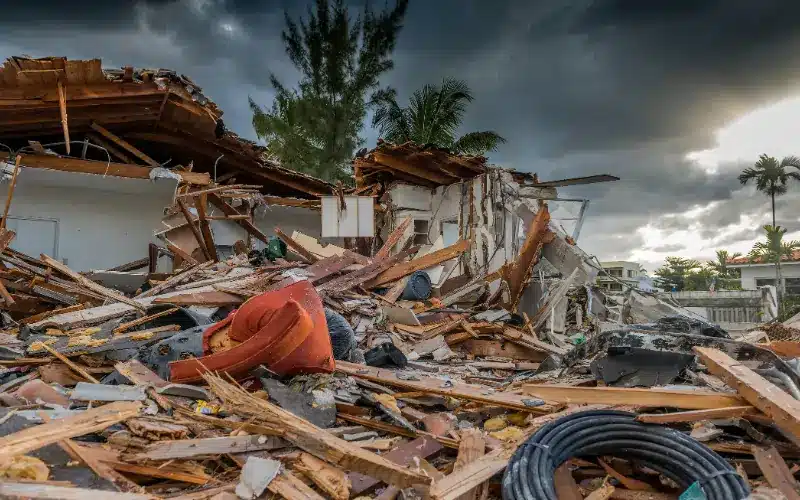
A hurricane-damaged house in Florida isn’t limited to collapsed roofs or homes swept off foundations. Many damaged homes are still standing but have been compromised in ways that make them unsafe or unsellable through traditional channels.
This includes everything from water damage and roof leaks to mold growth, cracked foundations, and flooding in basements or crawl spaces. Even homes with only minor damage may be classified as storm-affected if the structural integrity or safety of the property has been impacted at all.
Some issues aren’t even visible, like electrical damage or long-term rot. These can affect the property’s market value, insurance eligibility, and future livability.
First, there’s the emotional toll. Many homeowners feel overwhelmed, anxious, or unsure of what to do, especially when the home was their primary residence or has been in the family for years.
Then there are the practical problems: finding a buyer who’s willing to take on repairs, negotiating with your insurance company, and managing safety issues that come with mold, unstable structures, or standing water.
Finally, even if your home looks repairable, you may face long delays waiting for a licensed contractor, dealing with property appraisers, or getting through the city of Tampa’s permitting process.
All of this can add months to the timeline and thousands of dollars in costs, especially if the damage wasn’t fully covered by insurance.
Before you make any decisions about anything, you want to get a thorough assessment of the damage. This may not be the easiest thing to do, particularly if you can’t get to certain parts of the building, or if the building simply isn’t safe to enter.
If it is safe, be sure you take photos and videos of everything. Document everything, whether it’s a high water mark on the wall, a collapsed roof, or a crack in the foundation. If it’s not safe, it may be worth it to hire a professional inspector or contractor to evaluate it for you.
Then, review your homeowners’ policy and file a claim with your insurance company, if you haven’t started that already. Most policies in Florida cover damage from hurricanes, but coverage levels can vary substantially. Be crystal clear about whether your claim is based on the replacement cost or the actual cash value, which can be wildly different due to depreciation.
Your next step should be to get an idea of what your home is actually worth in its current condition. This can be pretty tricky. A professional property appraiser should have the most recent assessed value, but the property’s assessed value isn’t necessarily representative of the home’s market value. Especially right after a damaging storm.
Sometimes, Florida’s calamity provision allows a property owner to request a temporary reassessment when storm-based damage or destruction occurs. If your home lost 50% or more of its value due to a hurricane, you may qualify for property tax relief. Be sure you compare your home to others in the local market, but only those that have similar storm damage or repair needs.
Here’s where the big question comes in: do you fix it, or sell it as-is? Repairs are time-consuming. They take money. They can be disruptive. In cases where they’re extensive, you may not even be able to live in your home while they’re being completed. You’ll have to arrange permits, inspections, and repairs from licensed contractors, all while keeping up with insurance approvals and potentially living out of a hotel.
If your damaged home has only minor damage, you might be able to get away with making some minor repairs or improvements to raise your final sale price. That said, if your home has had major water damage, foundation cracks, or mold, it might make more sense in the end to cut your losses and just sell as-is. Selling without having to make repairs or worry about future flooding cuts out the stress and lowers the out-of-pocket costs you typically have to pay during a home sale.
When you’ve made your decision about whether you’re going to sell, you’ll need to weigh the options. There are three main options.
You can list with a real estate agent, sell without an agent (for sale by owner, or FSBO), or do a direct sale with a local cash buyer.
There are ups and downs to each option. An agent can get you more money, but it’ll take time and repairs. FSBO can save commission, but you’ll lose the list price, and you’ll still need to do repairs, along with all of the marketing and paperwork for the sale.
If you want to be done quickly and have as little hassle and stress as possible, then getting a cash offer from a local cash buyer in Tampa is the best route. Cash investors purchase homes in any condition, without inspections or delays in closing.
Disclosure requirements in Florida law state that you have to disclose all known issues with the property, particularly after any involvement in a natural disaster that led to insurance claims. Failing this requirement could mean substantial legal problems in the future, even if you sell as-is.
This means you have to let potential buyers know about previous instances of flooding, electrical problems, mold, or any structural elements that may have been compromised by water damage or other natural processes.
In all likelihood, you’ll also need to comply with the Pinellas County or Tampa city rules about rebuilding, inspections, and use following scenarios of substantial damage.
Depending on the extent of the loss, you might also need to reference FEMA elevation guidelines or declare your home a “substantially damaged structure.” If you’re unsure what applies, your county building department or a local real estate attorney can help.
Once you’ve accepted an offer and completed all needed disclosures, the last step is to close the sale. While you might be familiar with the conventional closing process for a home sale, closing with cash buyers can often be done in just days, rather than weeks or even months.
You won’t have to worry about lender approval, repairs, contractors, or inspectors. If you’re still waiting on an insurance payout, make sure your settlement is handled correctly in the closing documents.
If your Tampa home has been through a recent hurricane, there’s a pretty good chance that you don’t have the time, energy, or spare funds to coordinate major repairs to the property. This can be even more difficult for a home in St. Petersburg, or anywhere else outside the Tampa metro area.
This is where selling as-is to a local cash buyer comes in. Cash buyers don’t care what condition your home is in. It doesn’t matter if you have mold, minor structural damage, or if your home has been destroyed. You’ll get a straightforward offer based on your home’s current state, no surprises and no hidden fees.
Best of all, tons of cash buyers are willing to cover closing costs, and they’re typically able to close in just days. This means that for the average Tampa property owner who wants to get through the process with as little red tape as possible, partnering with a local cash buyer is the smart solution.
To keep things moving as smoothly and quickly as possible, try to get all of your paperwork together ahead of time. Think about keeping the following handy:
If your Tampa home has been hit hard by a hurricane or flooding, you’re not alone, and you’re definitely not out of options. For most homeowners in the circumstance, a quick, as-is sale offers peace of mind, cash in hand, and a clean break from costly repairs. Whether you’re facing minor damage or major loss, there’s a path forward. Evaluate your situation, gather your documents, and connect with a buyer who understands Florida property owners and respects what they go through.
Selling a hurricane-damaged house in Tampa doesn’t have to be a nightmare. With the right plan, clear documentation, and help from local experts, you can move on from storm damage without losing your sanity and with some cash in your pocket.
First, figure out if you want to fix it or forget it. If you’d rather the latter, The Best Cash Home Buyer is here to make the entire process easier, faster, and smoother.

We buy houses fast in any condition. No repairs, realtors, fees, or commissions. Call Us (727) 291-9712