

Selling a home in Florida can be challenging, especially when unpermitted work is involved. If you’re wondering, “Can you sell a house with unpermitted work in Florida?” the answer is yes—but there are important considerations to keep in mind. We buy houses in FL regardless of permit status, but understanding the implications is crucial for a smooth transaction.
Unpermitted work refers to renovations, additions, or modifications made to a property without obtaining the necessary permits from the local building department. This can include:
When homeowners make these changes without proper permits, they may face complications when trying to sell their property. The local building codes exist for safety reasons, and work that hasn’t been officially approved might not meet current standards.
Many homeowners skip the permitting process for various reasons:
While these reasons might seem valid at the time, unpermitted renovations can lead to significant issues when selling your property.
Before listing your home, you should identify any unpermitted work. Start by checking permit records at your city’s building department. These are public records and can help you determine what work has been officially approved.
Signs that might indicate unpermitted work include:
A thorough inspection by a licensed contractor can help identify unpermitted work and determine whether it complies with local regulations.
Can you sell a house with unpermitted work in Florida? Yes, but there are all the risks you should understand:
Tampa home buyers like The Best Cash Home Buyer purchase homes with unpermitted work regularly. They understand the challenges these properties present and specialize in buying houses as-is, eliminating the need for sellers to address permit issues before closing.
In Florida, sellers are required to disclose unpermitted work to potential buyers. Failing to disclose missing permits could result in legal trouble down the road.
When you disclose unpermitted work:
Remember, hiding unpermitted improvements is considered fraud and can lead to lawsuits long after the sale closes.

One option for homes with unpermitted work is selling as-is. This approach acknowledges the property’s condition upfront and attracts buyers looking for discounted properties.
Benefits of an as-is sale:
The downside is that you’ll likely receive offers below market value as buyers factor in the cost and hassle of dealing with the unpermitted work themselves.
Another solution is obtaining retroactive permits. This involves:
While time-consuming and potentially costly, retroactive permit approval can significantly increase your property’s value and appeal to conventional buyers. However, this process may reveal other issues that need addressing, especially if the unpermitted electrical work or other modifications don’t meet code requirements.
When dealing with unpermitted work, selling directly to a cash buyer often provides a simpler solution than listing with a real estate agent. Here’s why:
By working directly with a company that specializes in buying homes with unpermitted work, you can skip the challenges of the traditional market and move forward without the added complications of realtor requirements and buyer financing contingencies.
During the home buying process, inspections and appraisals can uncover unpermitted work. A home inspector will likely spot issues that don’t meet local building standards.
Potential outcomes include:
Being prepared for these scenarios can help prevent surprises during closing.
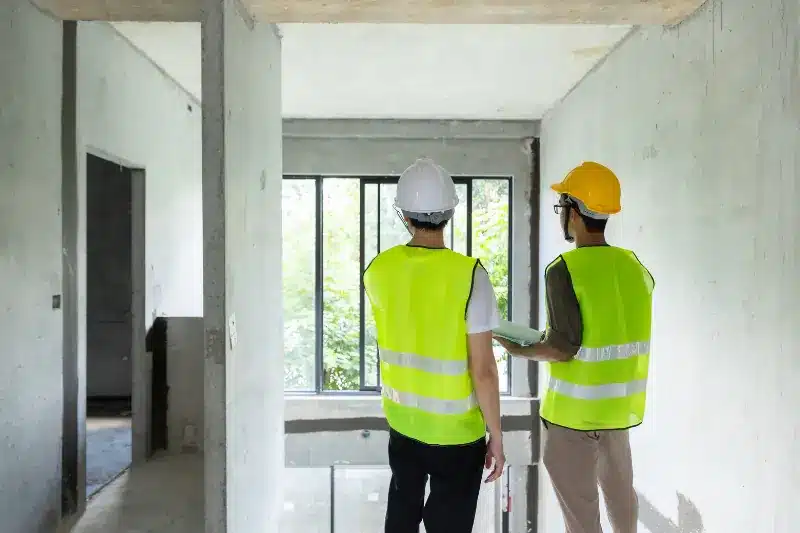
Selling a house with water damage or unpermitted work can complicate buyer financing. Lenders often require that properties meet certain standards, and unpermitted work raises red flags.
Issues that might arise include:
These challenges make cash buyers particularly attractive when selling homes with unpermitted work.
Before listing a house with unpermitted work, consider these preparation steps:
The Florida housing market can be competitive, so proper preparation will help your property stand out despite permit issues.
To maximize your chances of a successful sale:
Can you sell a house with unpermitted work in Florida? With the right approach and expectations, yes.
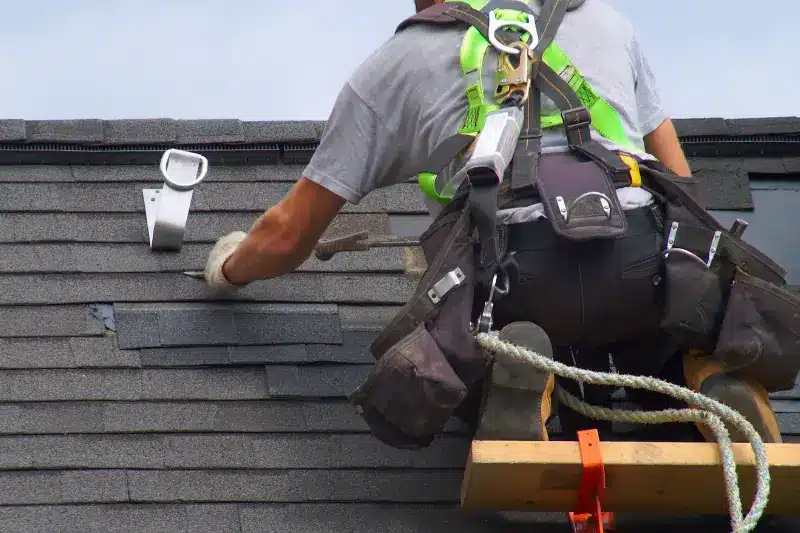
Yes, sellers in Florida are legally required to disclose unpermitted work to potential buyers. This disclosure is part of standard real estate practices and helps protect you from future legal trouble. When you disclose unpermitted work, you’re being transparent about the property’s condition, which is essential when considering whether you can sell a house with unpermitted work in Florida. Failure to disclose known issues could result in lawsuits after closing.
While you can sell a house with unpermitted work in Florida, it can be more challenging than selling a fully permitted home. Many traditional buyers and their lenders may be hesitant about unpermitted improvements. The difficulty level depends on the extent and type of unpermitted work, local building codes, and the current market conditions. Getting a cash offer on your house pros and cons should be weighed carefully in this situation—cash buyers often have fewer concerns about permit issues and can close quickly without lender complications.
Yes, experienced home inspectors often identify signs of unpermitted work during their inspections. While they may not have access to permit records, inspectors can spot work that appears amateur or doesn’t comply with current building codes. They look for inconsistencies in construction, modifications that don’t match the home’s original design, and work that doesn’t meet standards. If you’re wondering if you can sell a house with unpermitted work in Florida, be prepared for these issues to be flagged during the inspection.
The current homeowner typically bears liability for unpermitted work, even if it was completed by a previous owner. When you purchase a property, you assume responsibility for all aspects of the home, including any unpermitted additions or renovations. This is why understanding if you can sell a house with unpermitted work in Florida is so important for buyers and sellers—the liability transfers with ownership, which can impact insurance coverage and potential legal issues.
Yes, you may have grounds to sue a licensed contractor who performed work without obtaining proper permits. Contractors should know which home renovations require permits and are typically responsible for securing them before beginning work. If a contractor misrepresented their work as permitted or failed to obtain necessary approvals, you could potentially seek damages for the cost of retroactive permitting, remediation work, or decreased property value when considering whether you can sell a house with unpermitted work in Florida.
While not legally required to provide copies of all permits, sellers should be prepared to show documentation of major work completed with proper permits if requested. Buyers and their real estate agents may ask to see the permit history, especially for significant renovations or additions. If you’re wondering if you can sell a house with unpermitted work in Florida, transparency about what is and isn’t permitted will help build trust with potential buyers and reduce the risk of transaction issues.
Failing to obtain the required building permits in Florida can result in several consequences, including fines, stop-work orders, and mandatory removal or correction of unpermitted work. Local building departments may issue citations with daily accruing penalties until the situation is remedied. Additionally, unpermitted work may complicate your ability to insure the property properly or lead to immediate loan repayment demands if discovered by your mortgage company.
You may have legal recourse against a previous owner if they knowingly failed to disclose unpermitted work during the sale. However, these cases can be difficult to prove and often depend on demonstrating that the seller was aware of the issue and intentionally concealed it. If you’re facing this situation and wondering if you can sell a house with unpermitted work in Florida, consult a real estate attorney to understand your options before pursuing legal action.
Unpermitted electrical work presents significant safety risks and legal liabilities. Even minor electrical repairs without permits can lead to insurance claim denials if they cause a fire or other damage. When discovered, you may be required to remove drywall or other finishes to expose the wiring for inspection, potentially resulting in substantial costs. This is a serious consideration when asking if you can sell a house with unpermitted work in Florida, as electrical issues often raise red flags for buyers and inspectors.
Misrepresenting or omitting information on a seller disclosure can result in serious legal and financial consequences. Sellers who knowingly hide unpermitted work may face lawsuits for fraud, misrepresentation, or breach of contract. Courts may award damages covering remediation costs, decreased property value, legal fees, and even punitive damages in egregious cases. Being honest on your disclosure is essential when you’re trying to determine if you can sell a house with unpermitted work in Florida.
Yes, you can have unpermitted work inspected to determine if it complies with local building codes. Many homeowners hire a licensed contractor or building inspector to evaluate unpermitted work before selling. This assessment helps you understand potential costs and issues before listing the property. The inspection may reveal whether the work could qualify for retroactive permits or what modifications would be needed. This is an important step when figuring out can you sell a house with unpermitted work in Florida in the most advantageous way.
Selling a house with unpermitted work in Florida presents challenges but isn’t impossible. By understanding your options—whether obtaining retroactive permits, making necessary corrections, or selling as-is—you can navigate this complex situation.
For many homeowners facing permit issues, working with experienced cash buyers provides the simplest solution. How we buy houses is straightforward: we evaluate the property, make a fair cash offer considering any unpermitted work, and close quickly without the complications of traditional financing.
If you’re concerned about unpermitted work affecting your home sale, learn about our home buying company and how we handle these situations with ease. We specialize in helping homeowners in complicated selling situations and can provide guidance specific to your property’s needs.
Don’t let unpermitted work prevent you from moving forward. Contact us today for a no-obligation offer on your Florida home, regardless of its permit status. With our experience in the local market and understanding of building codes, we can help you sell your house without the stress typically associated with unpermitted work.
