
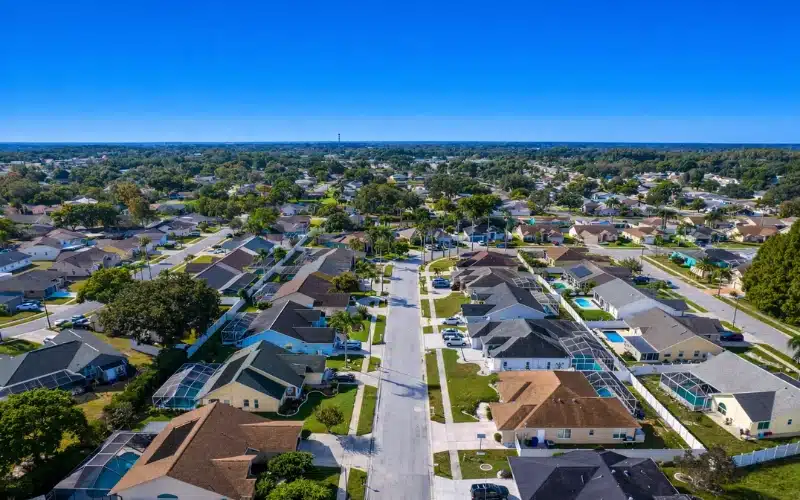
Being a Floridian has always come with tradeoffs and compromises. One of the biggest draws for homeowners is the lack of state income tax. But now, in 2026, that might not be enough to offset the serious cost-of-living increases for homeowners. When property insurance premiums, maintenance costs, assessments, and everyday expenses are all going up, everything feels unsteady. Especially when it comes to owning a home.
Come along as we look at the true cost of living in Florida this year. We’ll also look at everything that moves the needle, and how that may impact the Sunshine State over the next few years. When you’re trying to create a stable budget, you need to think about today, as well as tomorrow. In the end, you’ll know how to focus on the expenses that matter most to you. This focus will be the foundation of predictability.
In a very general sense, Florida is still affordable. That said, it’s only when the whole picture is taken into account. No Florida income tax means homeowners have a bit more monthly cash flow, especially for high earners. That extra cash flow can be important for covering the mortgage, homeowners insurance, or maintenance costs. However, that advantage can dry up fast when other costs surge.
Remember, there are always homeowners’ insurance policies, specialized flood insurance policies, annual real estate or property taxes, maintenance, and more. This year, Florida’s affordability is less about purchase price. Now it’s about the whole, aggregate cost of all the pieces in the puzzle.
This shift, as a whole, has forced homeowners to really think about what affordability means to them. Depending on individual needs, some are hunting for an inland real estate market. Some are downsizing, and some are simply exploring exit strategies.
Homeowners insurance has become the single most unpredictable factor in Florida’s cost of living. It’s not reliant on more conventional metrics like debt-to-income, credit score, and so on. In 2026, many homeowners are paying property insurance premiums that rival their property tax bills, and in some cases, exceed them.
Insurers continue to reassess risk after repeated hurricanes, tighter underwriting standards, and rising flood insurance costs. As a result, coverage availability and pricing now vary dramatically by location and property condition.
Coastal exposure, roof age, construction type, and mitigation features all play a role in how homeowners insurance is priced. Homes in coastal markets like Clearwater or St. Petersburg will see much higher premiums in line with their wind and flood zone location. Inland homes will typically see lower costs for similar square footage, even for flood insurance.
Historically, one of the more predictable parts of living in the Sunshine State has been its cost of living. This applies particularly to full-time homeowners. This year, that predictability is being pushed to its limit as the Florida legislature and the public debate changes to how property taxes are levied and collected. Even though none of these would trash taxes overnight, they do bring some variables to the table that homeowners need to be aware of.
Florida’s Homestead Exemption continues to be a major stabilizing force for owner-occupied homes. It reduces a home’s taxable value and limits how much assessed value can increase each year under the Save Our Homes cap. Long-term residents typically see property tax bills that grow at a slower rate than their market property value.
Learning how these caps can apply to your situation or property is critical when figuring out ownership costs. If you’re sick of ownership costs and would rather get a quick and easy exit with a cash sale, that’s also an option. The Best Cash Homebuyers can help explain how it works and get you your free, fair cash offer today.
This year, Florida lawmakers have proposed measures that could radically change property taxes. That is, if enough voters agree and vote for them.
One of the most talked-about measures is HJR 201. HJR 201 would wipe out all taxes not related to public schools for homesteaded primary residences starting in 2027. As a result, the only levies on a homeowner’s tax bill should be school-related. It cuts the homeowner’s tax obligation, but shifts how communities fund services.
There are other proposals on the table in Florida as well. HJR 203 would gradually increase the homestead exemption by $100,000 each year for a decade. At that point, taxes unrelated to public school systems would be completely eliminated. Other versions cater to seniors by creating larger exemptions for insured properties.
No matter what, each of these would need at least 60% voter approval in the November 2026 general election to pass. If any pass, they become part of Florida’s constitution.
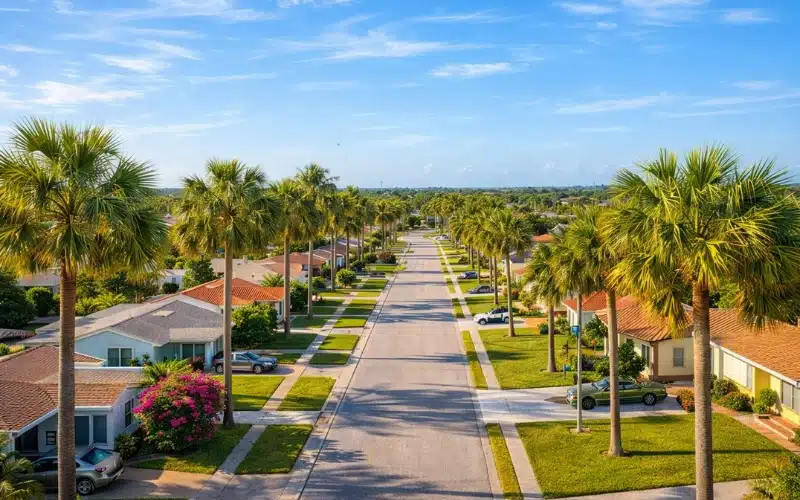
In many parts of the Sunshine State, home prices have more or less reached a plateau. Now that prices have stabilized, the next biggest variable is the prevailing interest rates. Interest rates are still relatively high, so monthly affordability in general is under more pressure this year.
When Florida homeowners are more focused on stability, higher interest rates mean less wiggle room in monthly budgets. As a result, even the slightest price increases in anything else can shatter the illusion of stability. Median sale price is only part of the equation, but you can’t forget about mortgage, insurance, HOA fees, property taxes, and so on.
This delicate dynamic is most prominent in hot, metropolitan areas like Tampa, Miami, and even Jacksonville. These markets typically have other major factors that keep demand strong, even when ownership costs skyrocket.
Buyers who stretch their means to hit a higher price often end up overextended at the first tax adjustment or home repair. With that in mind, there are many households that are rethinking their location and home size to stay sustainable.
Utility costs in Florida are unique and heavily influential on the cost of living. With warm, humid weather making up the climate for much of the year, air conditioning isn’t exactly an option. On top of that, summer electric rates can skyrocket before the spring jackets are back in the closet.
Older homes only exacerbate the issue with poor insulation and older HVAC systems. These older systems are nowhere near as energy efficient as newer ones, either. So you have an older system working harder to do the same cooling, and the old house just lets the cool air escape anyway. This can be a maddening cycle for homeowners who are just trying to stay above water, so to speak.
As we’ve mentioned a few times, there’s more to the cost of living than just housing costs. Everyday expenses play a huge role in how Florida residents are able to afford homeownership.
Grocery prices are often higher than many people expect, particularly in high-growth regions or coastal areas. Transportation costs can fluctuate, too, depending on commute needs and car insurance. Homes in the suburbs depend more on personal transportation than on more walkable urban centers.
With an aging population, healthcare is another primary consideration. It’s a consideration for short-term and long-term residents alike, because access and pricing can vary wildly from one location to another. Urban areas like St. Petersburg will typically have a much wider selection, but a higher overall cost.
Florida homeowners need to keep a close eye on a few key signals as 2026 housing costs keep growing. Insurance reforms, carrier exits, and policy renewals remain the biggest swing factors in monthly costs.
Condo owners should also watch for special assessments tied to new safety and reserve requirements, which can quickly change affordability. Property tax discussions, growing HOA fees, and storm activity also deserve attention.
When multiple pressures stack at once, some homeowners may need to reassess their plans. Knowing whether to sell or rent your house can help safeguard your financial stability before costs become unmanageable. Renting may sound like a good option, but it rarely is, especially when interest rates are as high as they currently are.
The only way to know for sure, in the context of your financial situation, is to stay as informed as possible. With a foundation of the right information, you’ll avoid panic-choosing, and you’ll be more prepared under pressure.
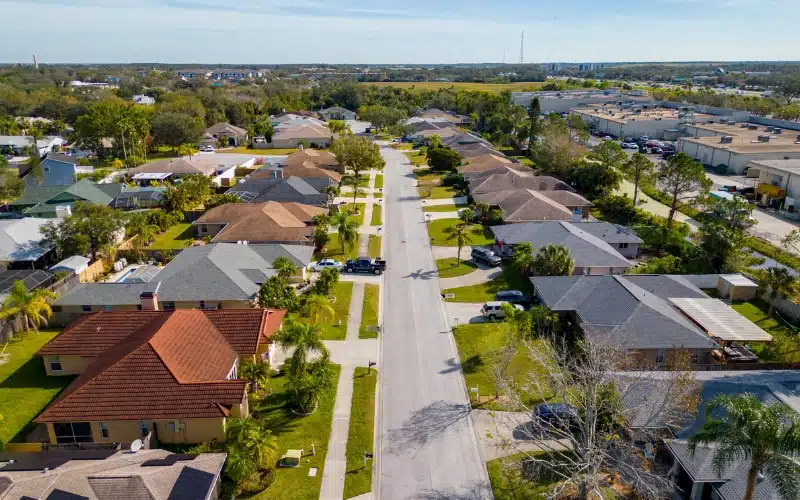
The cost of living in Florida in 2026 doesn’t just rely on one advantage or drawback. The lack of income tax in Florida is a big benefit, but just about every aspect of being a homeowner is more costly these days. Homeowners who are focused on predictability have to remember to pay attention to the big picture. Sticking to previous trends won’t cut it.
Florida still brings a high quality of life, but only for the prepared. Tracking ownership costs and watching relevant policy changes will help keep you ahead of the curve. That constant pressure can grow tiring, though. If you’re one of the many homeowners looking to sell, but want to do it without stress, a cash sale might be the perfect option. Reach out to The Best Cash Homebuyers today, and get your no-obligation cash offer. You can unlock equity, downsize if needed, and get back to enjoying your free time.
